
Bhutan
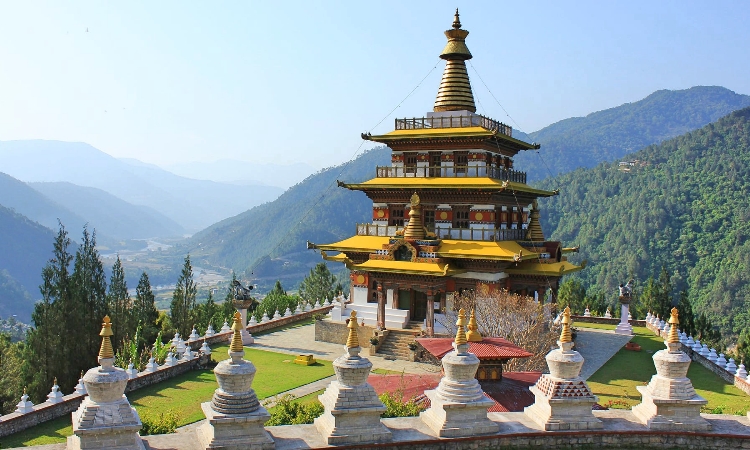
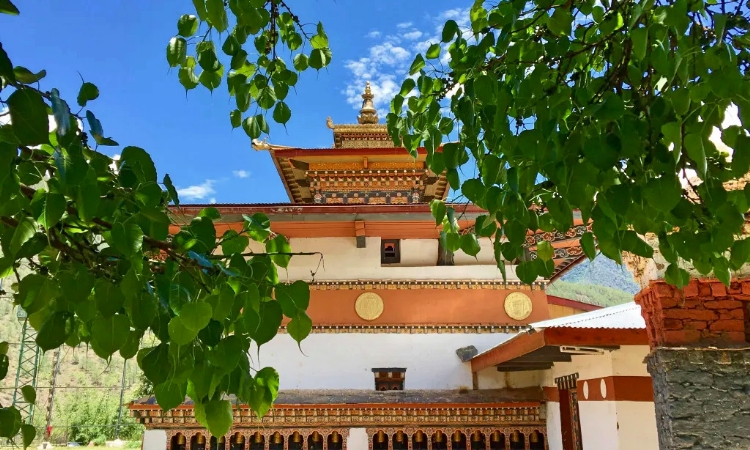
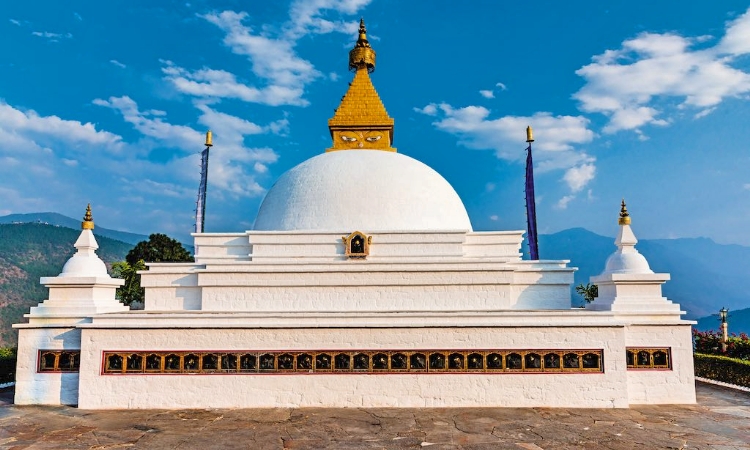
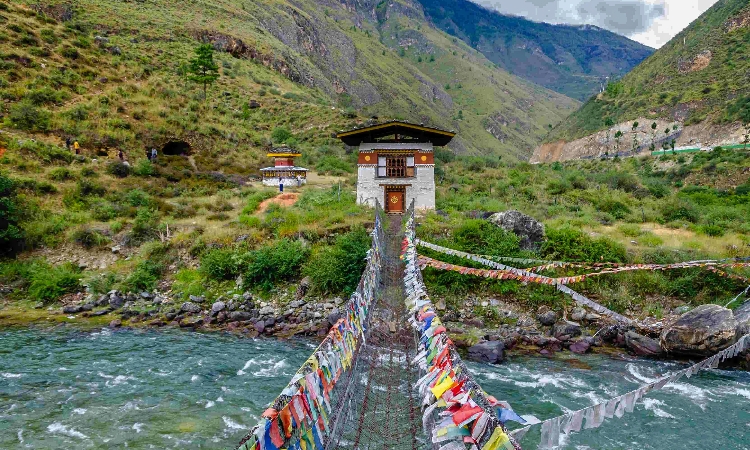
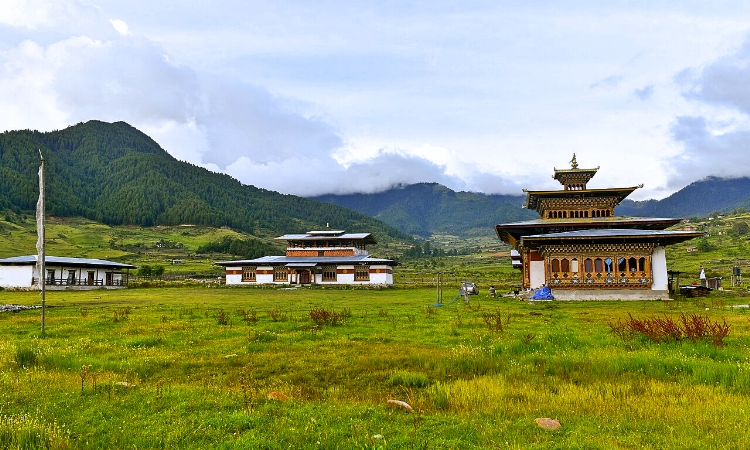
Nestled in the heart of the Eastern Himalayas, Bhutan is a land of breathtaking mountain landscapes, ancient monasteries, vibrant traditions, and unparalleled serenity. Known as the “Land of the Thunder Dragon,” Bhutan is the world’s only carbon-negative country and is internationally admired for its commitment to sustainable tourism and the philosophy of Gross National Happiness. From the iconic Tiger’s Nest Monastery in Paro and the majestic Punakha Dzong to the peaceful valleys of Phobjikha and Bumthang, every corner of Bhutan offers a unique blend of natural beauty, spirituality, and cultural heritage. Whether you’re seeking scenic mountain drives, colourful festivals, nature walks, or an authentic Himalayan experience, Bhutan promises a journey that is both enriching and unforgettable.
Location
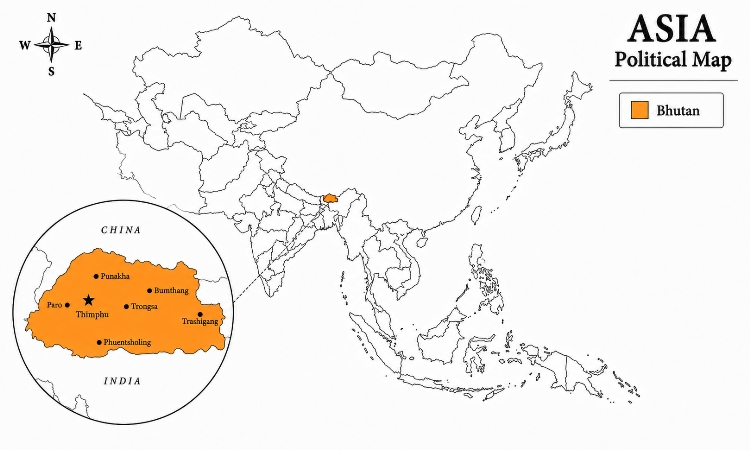
Himalayan kingdom nestled between India and China
Tourist Destinations in Bhutan
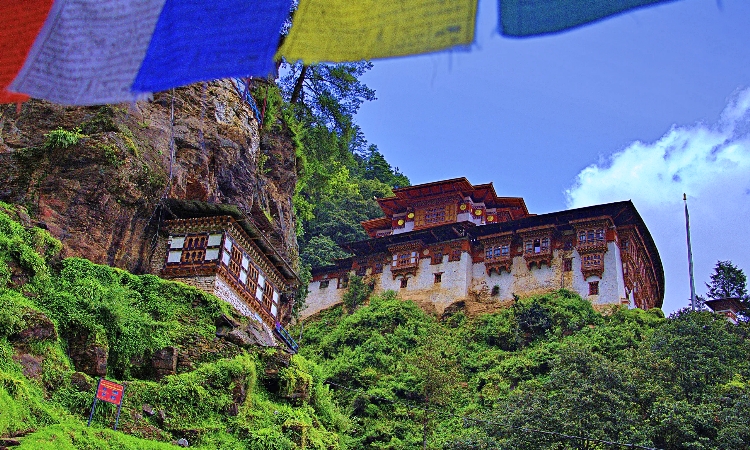
Paro
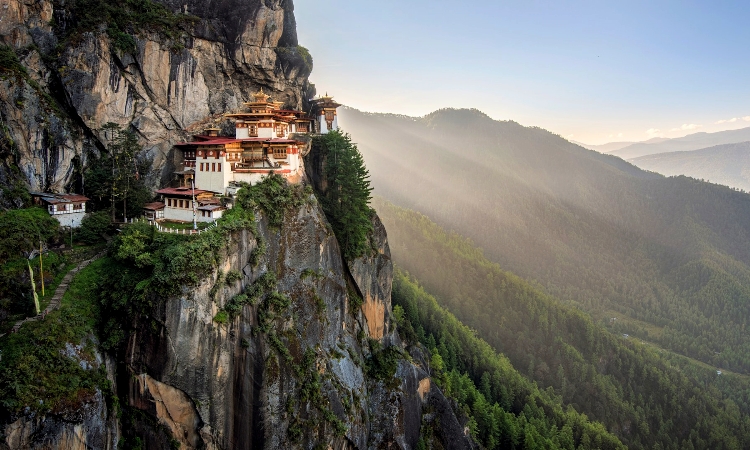
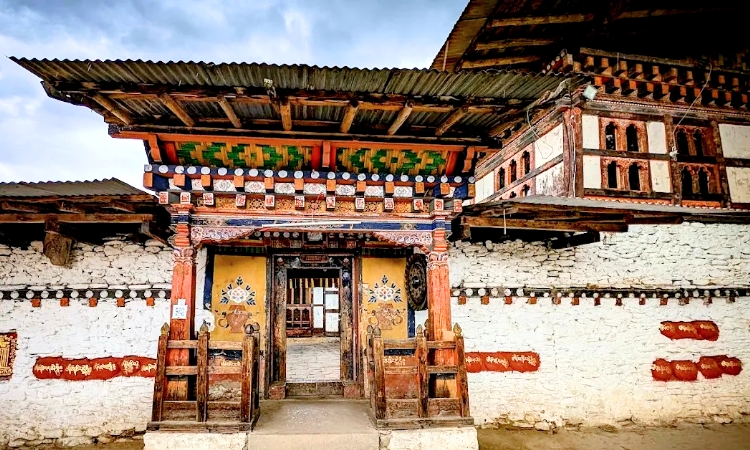
Paro is the cultural gateway to Bhutan, renowned for its breathtaking Himalayan scenery, ancient monasteries, and traditional Bhutanese architecture. Home to the iconic Tiger’s Nest Monastery, Paro offers a perfect blend of natural beauty, spirituality, and rich cultural heritage.
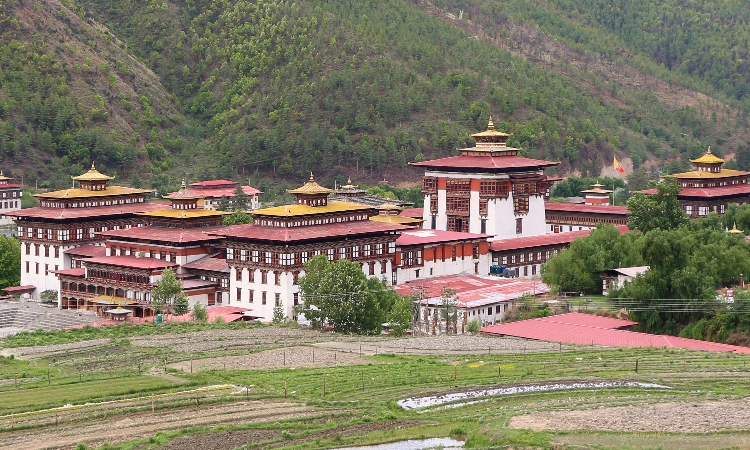
Thimphu
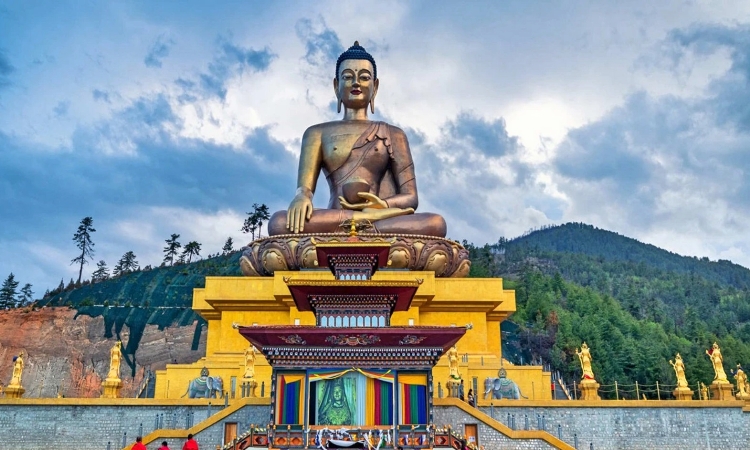
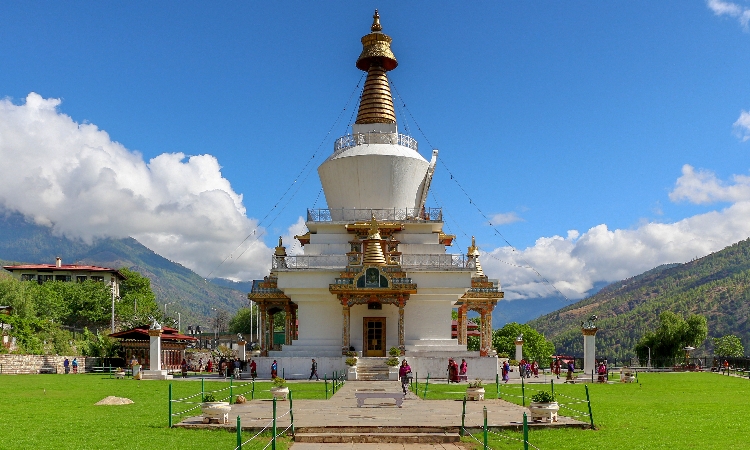
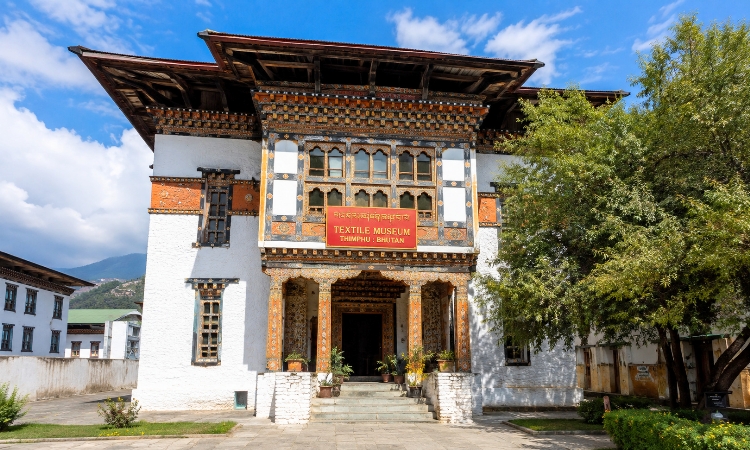
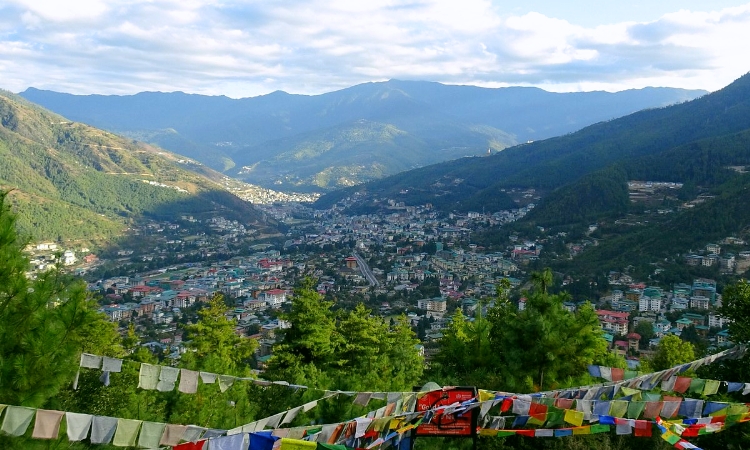
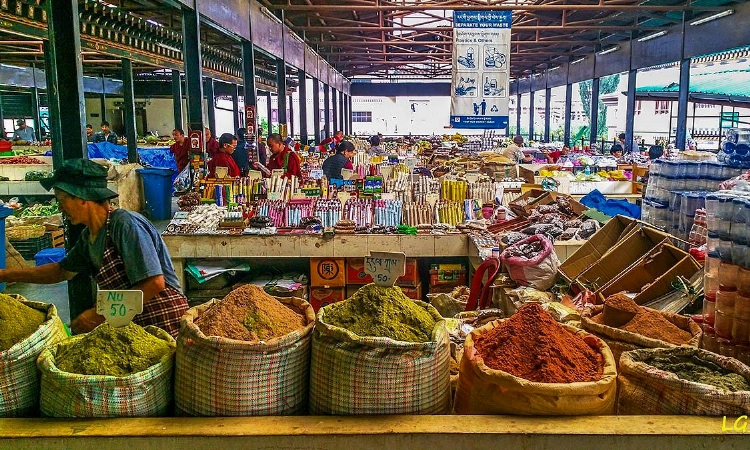
Thimphu, the capital of Bhutan, is a charming city where modern development blends seamlessly with centuries-old traditions. Surrounded by scenic mountains, it is home to iconic landmarks, vibrant markets, ancient monasteries, and cultural attractions, offering visitors an authentic glimpse into Bhutan’s rich heritage and way of life.
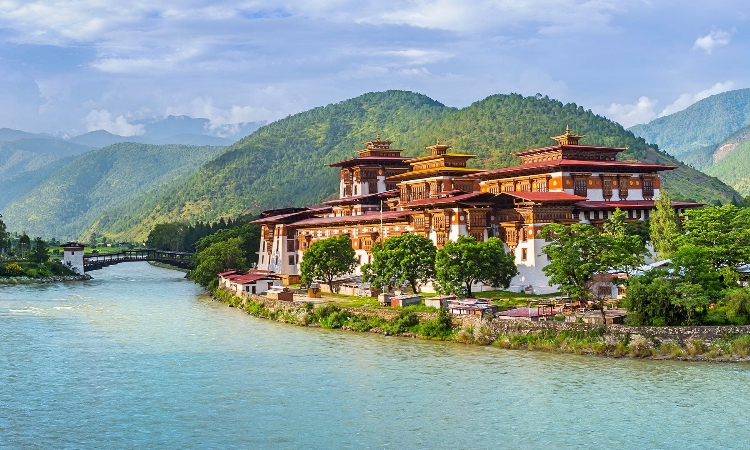
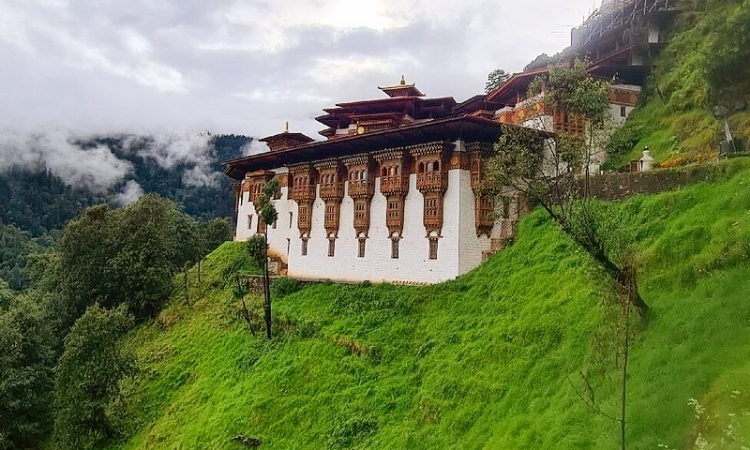
Punakha
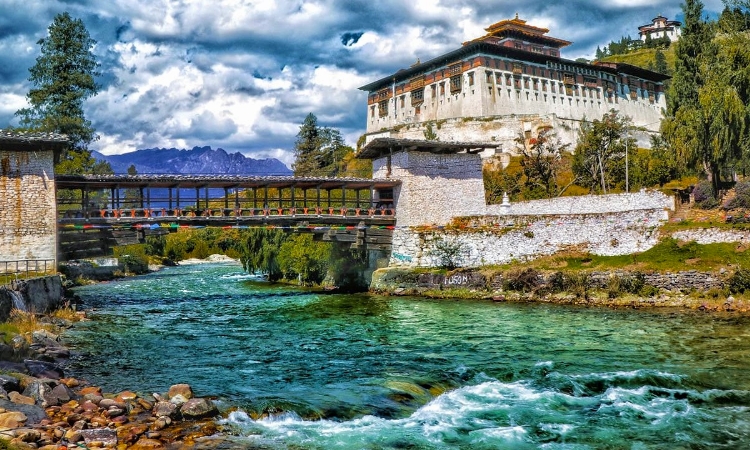
Punakha, the former capital of Bhutan, is renowned for its scenic river valleys, historic monasteries, and the magnificent Punakha Dzong. Surrounded by lush landscapes and a pleasant climate, it is one of Bhutan’s most beautiful destinations, offering a perfect blend of culture, history, and natural beauty.
Read more…
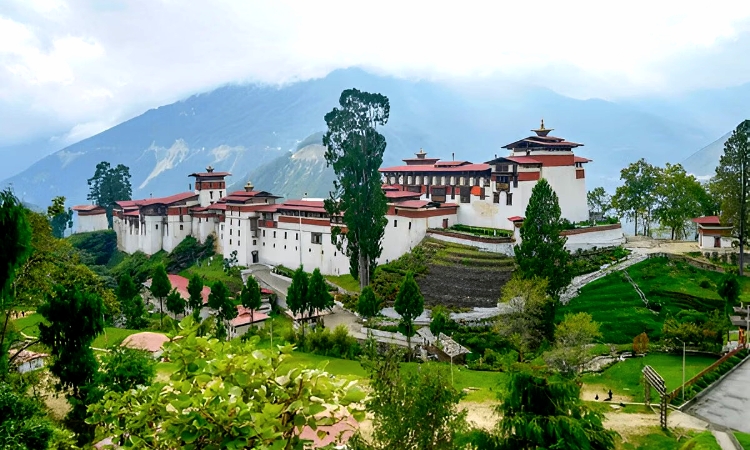
Trongsa
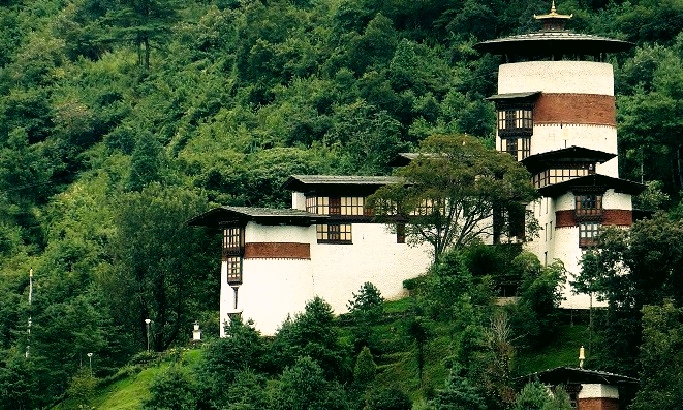
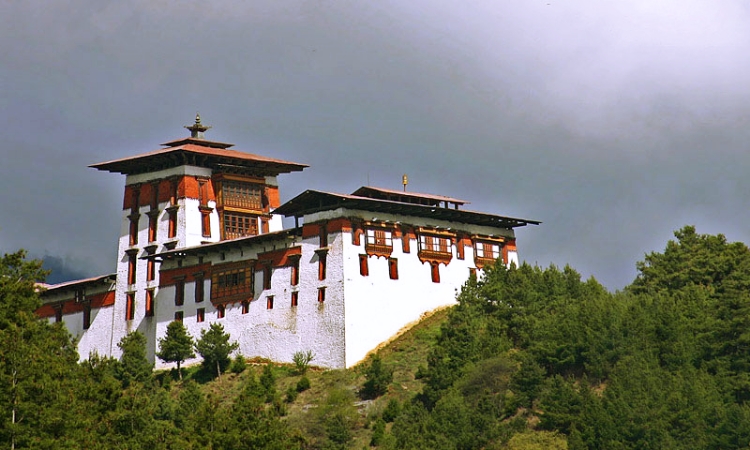
Trongsa is the historical heart of Bhutan, renowned for its magnificent hilltop dzong, royal heritage, and breathtaking mountain scenery. Located in central Bhutan, it serves as a gateway to the eastern regions and offers a fascinating blend of history, culture, and panoramic Himalayan landscapes.
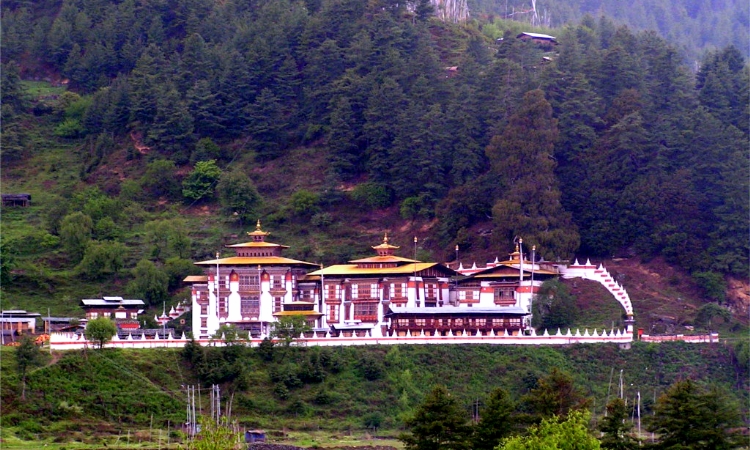
Bumthang
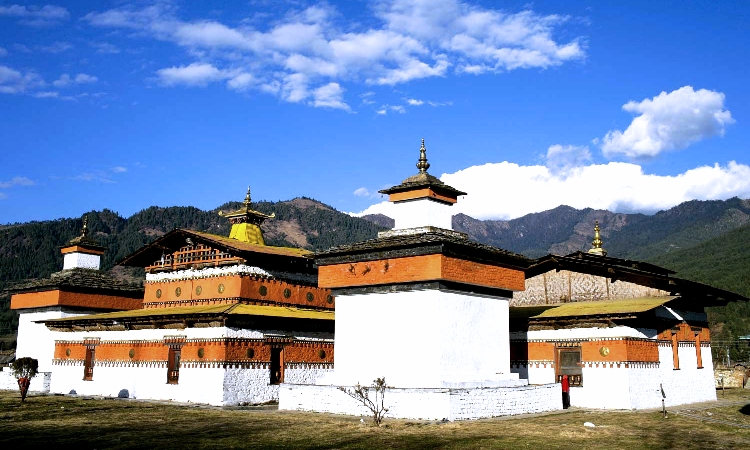
Bumthang is the spiritual heartland of Bhutan, celebrated for its sacred monasteries, peaceful valleys, and rich Buddhist heritage. Comprising four scenic valleys, it offers a unique blend of cultural treasures, traditional villages, and stunning Himalayan landscapes.
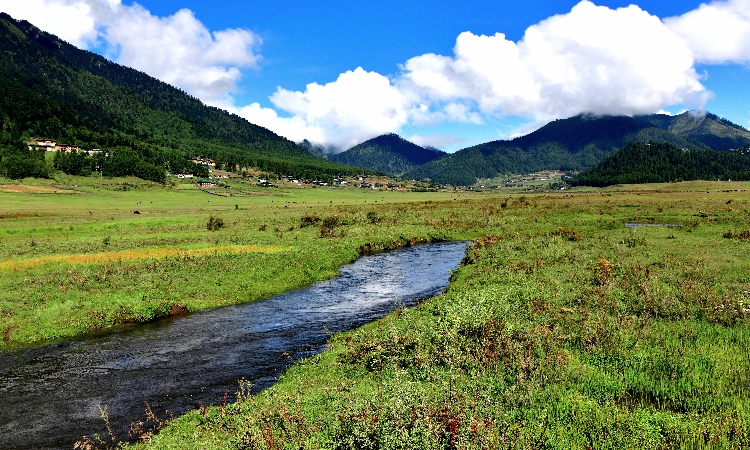
Phobjikha
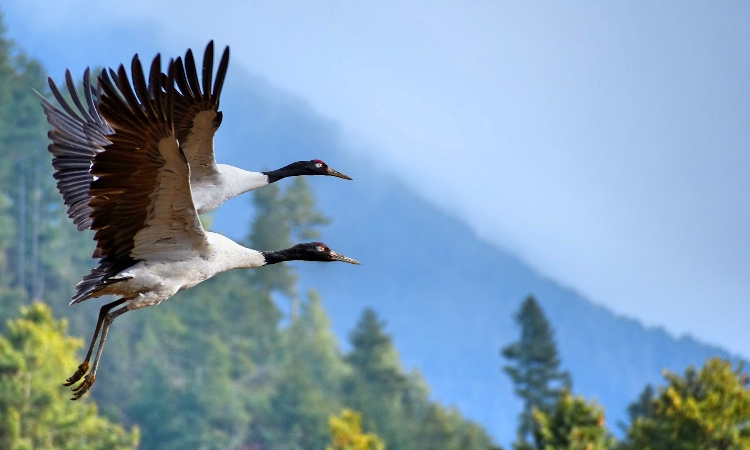
Phobjikha Valley is one of Bhutan’s most beautiful glacial valleys, renowned for its pristine landscapes, peaceful villages, and rich wildlife. Best known as the winter home of the endangered black-necked cranes, the valley offers a perfect blend of natural beauty, scenic walks, and authentic Bhutanese culture.
Frequently Asked Questions (FAQs)
1. Do Indian citizens need a visa to visit Bhutan?
No. Indian citizens do not require a visa. A valid Passport (with at least six months’ validity) or Voter ID Card is accepted for entry. However, travellers must obtain an Entry Permit on arrival.
2. What is the best time to visit Bhutan?
Bhutan can be visited throughout the year. Spring (March–May) and Autumn (September–November) offer pleasant weather, clear mountain views, and vibrant festivals, while winter is ideal for witnessing black-necked cranes in Phobjikha Valley.
3. How many days are ideal for a Bhutan trip?
A 5 to 7-day itinerary covering Paro, Thimphu, and Punakha is ideal for first-time visitors. Travellers wishing to explore central Bhutan, including Bumthang, should plan for 8 to 10 days.
4. Is Bhutan suitable for families?
Yes. Bhutan is a safe, peaceful, and family-friendly destination with beautiful scenery, cultural attractions, nature walks, and comfortable accommodation suitable for all age groups.
5. What currency is used in Bhutan?
The official currency is the Bhutanese Ngultrum (BTN), which is at par with the Indian Rupee (INR). Indian currency is widely accepted, although ₹500 and ₹2,000 notes may not always be accepted, so carrying smaller denominations is advisable.
6. Are vegetarian and Indian meals available?
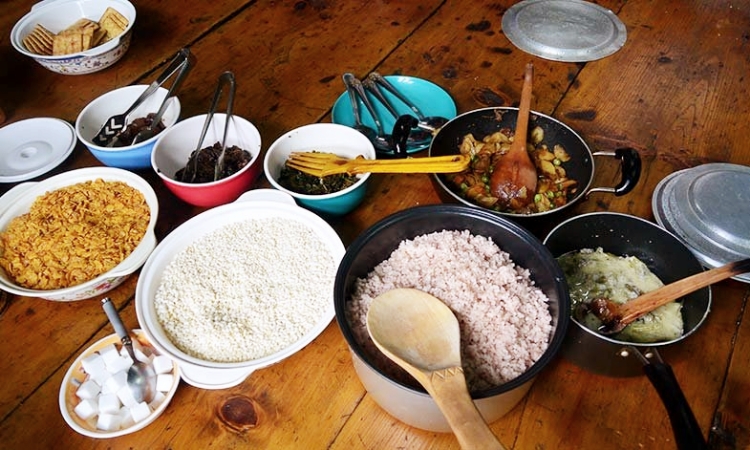
Yes. Most hotels and restaurants serve vegetarian dishes, and Indian cuisine is widely available in popular tourist destinations such as Paro, Thimphu, and Punakha.
7. What clothes should I pack?
Comfortable clothing, walking shoes, and a light jacket are suitable for most of the year. During winter or visits to higher altitudes, warm clothing is recommended.
8. Is Bhutan a good destination for honeymooners?
Absolutely. Bhutan offers romantic mountain landscapes, peaceful monasteries, luxury resorts, and serene valleys, making it an excellent honeymoon destination.
9. Is altitude sickness a concern?
The main tourist destinations such as Paro, Thimphu, and Punakha are at moderate altitudes where most travellers experience no issues. Those visiting higher mountain passes should stay hydrated and take it easy on the first day.
10. Can I use Indian mobile networks in Bhutan?
International roaming is available with most Indian mobile operators. Local Bhutanese SIM cards can also be purchased for better coverage and data services.
11. Are credit and debit cards accepted?
Cards are accepted at many hotels, restaurants, and larger shops in major towns. However, it is advisable to carry some cash for shopping in local markets and when travelling to remote areas.
12. What are the must-visit places in Bhutan?
The most popular destinations include Paro, Thimphu, Punakha, Phobjikha Valley, Trongsa, Bumthang, Haa Valley, and the iconic Tiger’s Nest Monastery.
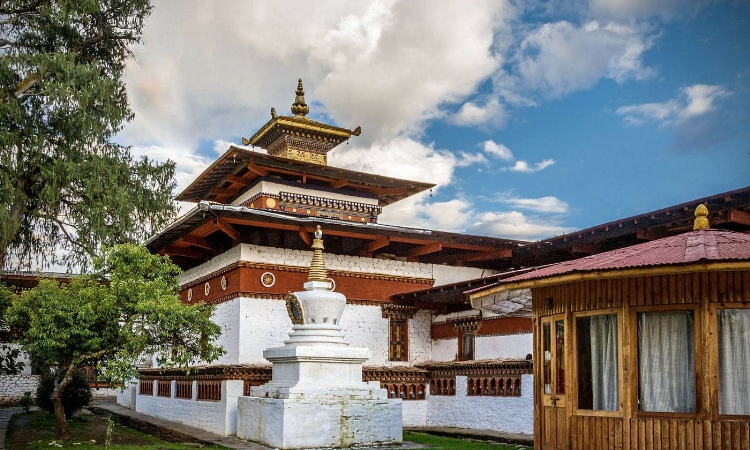
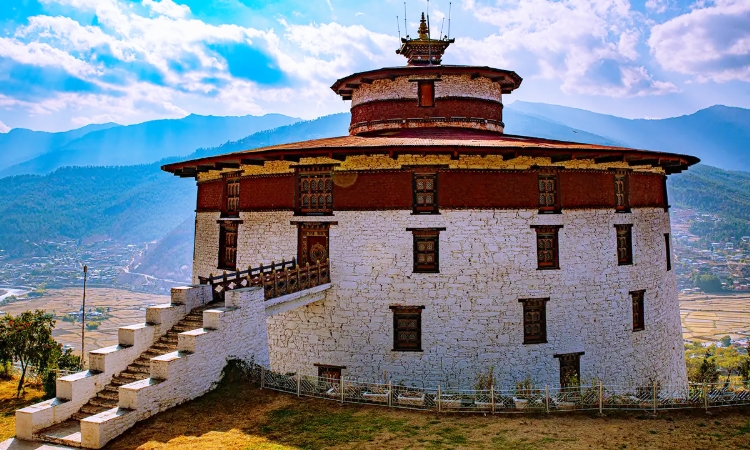
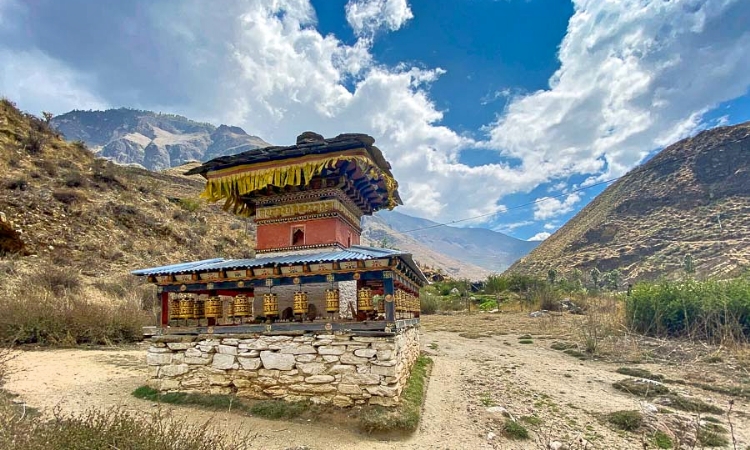
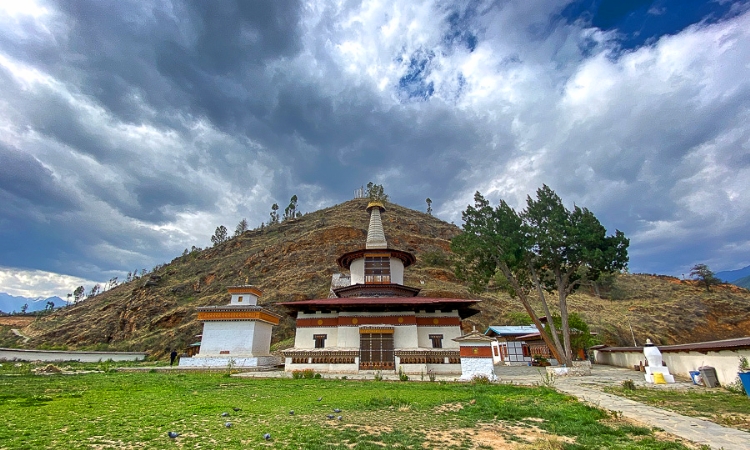
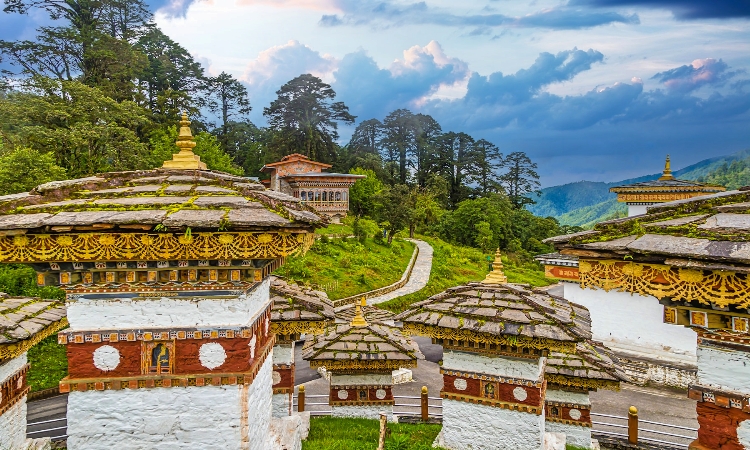
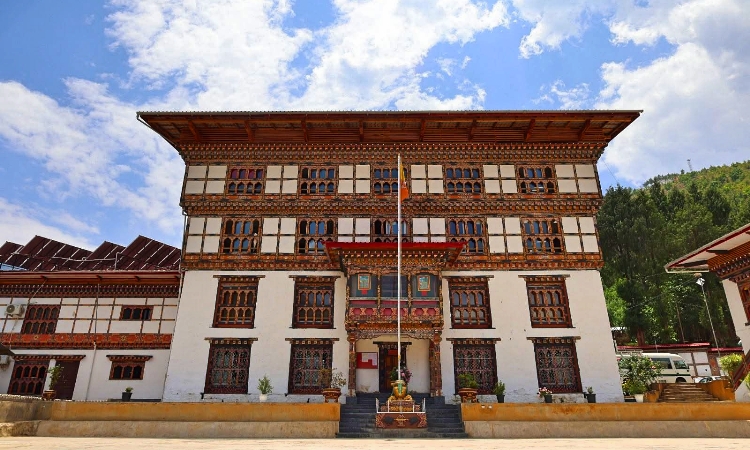
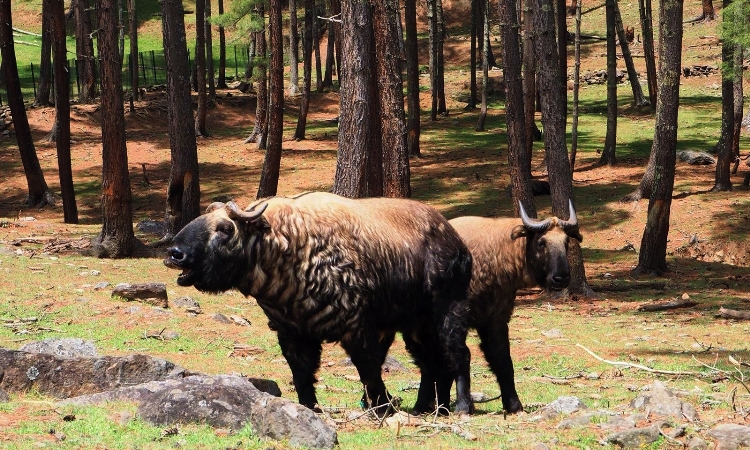
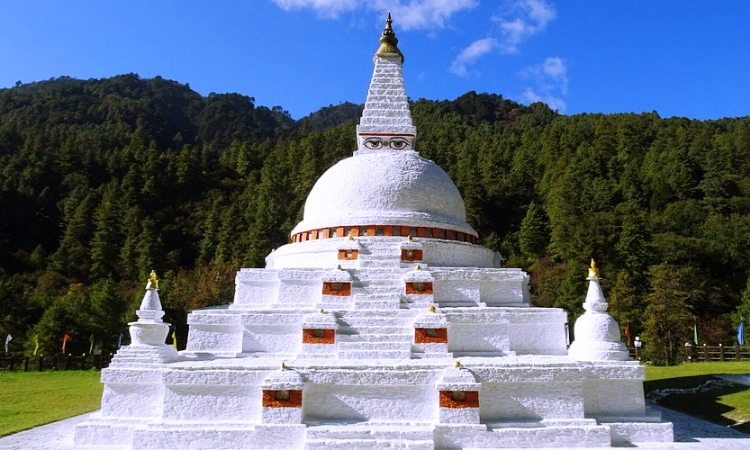
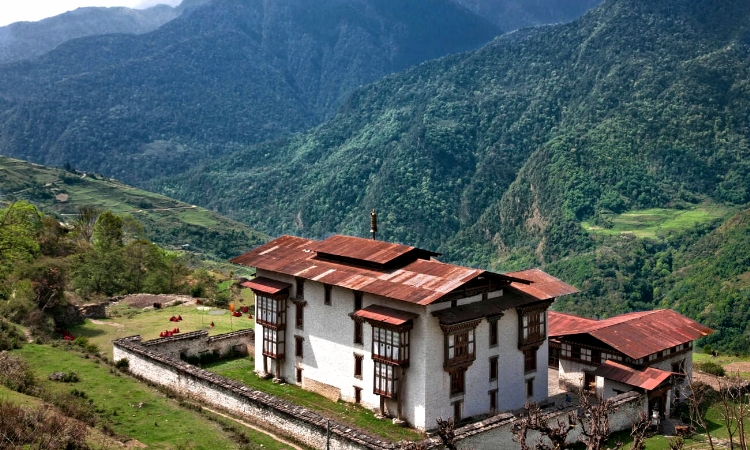
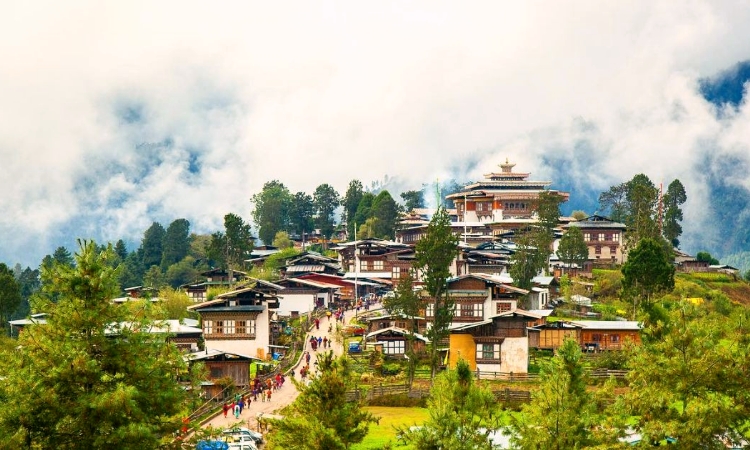
Bhutan Gallery




You must be logged in to post a comment.